Smoke and soot residue
Fine residue can settle on walls, ceilings, cabinets, trim, fixtures, and belongings far from the source room.

Millbrook Fire Damage Restoration
After the fire department leaves, homeowners may still face soot, smoke odor, damaged materials, and water used to suppress the fire. Share the neighborhood and affected areas so a clear cleanup request can begin.
Residential Fire Cleanup In Millbrook
Fire residue behaves differently depending on what burned, how hot the fire became, and how smoke moved through the home. Fine soot may settle on surfaces well beyond the source room, while odor remains in porous materials and enclosed spaces.
Water from hoses or suppression systems can soak flooring, walls, ceilings, cabinets, and insulation. Mention every affected level and any room below the fire area when submitting a request.
What We Cover
Fine residue can settle on walls, ceilings, cabinets, trim, fixtures, and belongings far from the source room.
Smoke odor may remain in porous materials, enclosed cavities, fabrics, and rooms that never showed visible flames.
Water used to extinguish a fire may soak flooring, drywall, insulation, cabinets, and lower levels.
Cooking oils, plastics, wiring, and appliance materials can leave different residues and strong odors.
Heat, smoke, soot, and water can affect finishes differently throughout each room and level.
A clear first assessment helps separate immediate safety concerns from the next cleanup steps.
Millbrook Neighborhoods
Each neighborhood page combines residential fire-cleanup information with useful local property context.
Local Focus
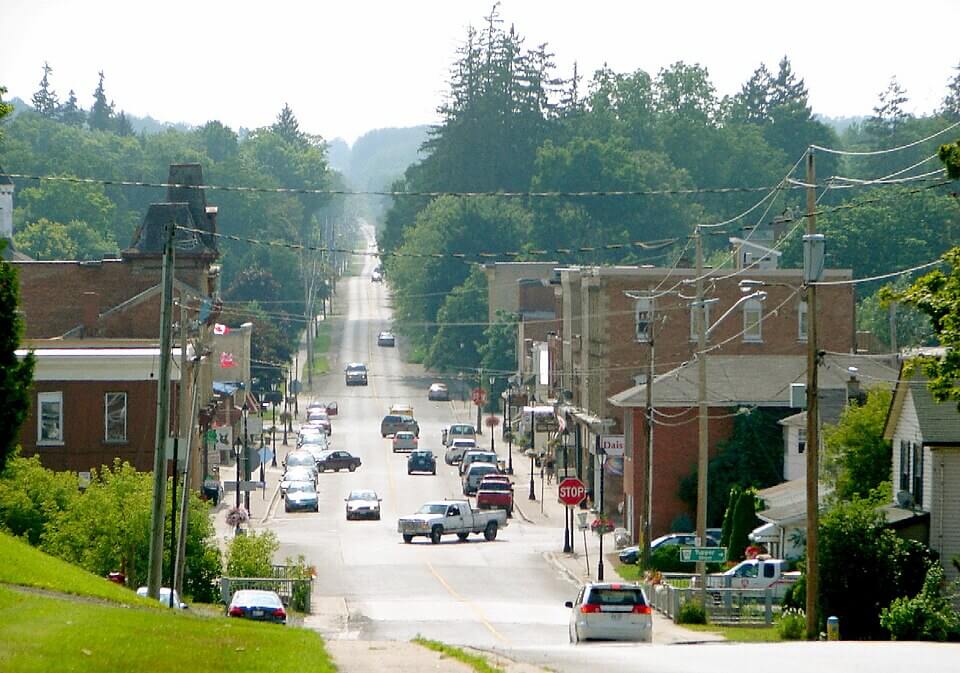
Millbrook extends across Elmore and Autauga counties north of Montgomery, combining established communities with newer residential growth around Grandview Road and other city corridors. Homes may face plumbing failures, roof leaks, severe rain, and humidity-related moisture concerns.
Request Help
Include the neighborhood, source room, smoke or soot spread, and current urgency.
FAQs
Yes. Smoke and soot can move through openings and airflow paths, settling on surfaces and entering porous materials beyond the source room.
Include the neighborhood, source room, affected levels, visible soot, smoke odors, water use, and whether officials have cleared the property for entry.
Yes. Water may remain in flooring, walls, ceilings, insulation, cabinets, and rooms below the fire area.